 Xtoys
XtoysBOUND Padlock and Key Review: A Small Brass Finishing Touch
Editor's opinion
The BOUND Padlock and Key is a small, sturdy brass lock meant to fasten compatible restraints and give a scene a finished look. It suits people already building a BOUND kit who want matching hardware, though the small keys and the safety implications of locking someone in place deserve serious thought.
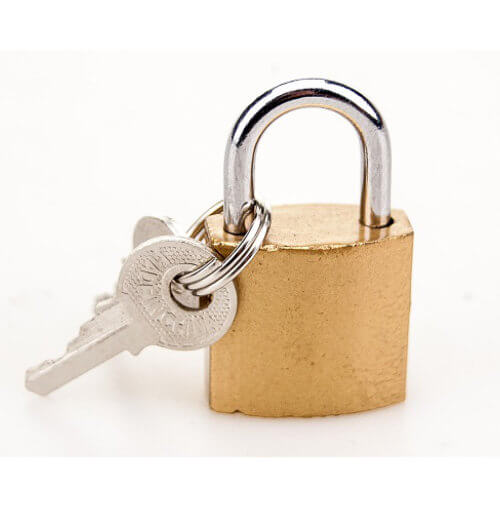
A padlock in a bondage context does two jobs at once. It secures a restraint so a position holds until you choose otherwise, and it adds a visual, ritual sense of being properly locked in. The BOUND Padlock and Key is a compact brass lock built for exactly that, designed to slot through the fastening point of compatible gear.
What a buyer should weigh here is less about the lock itself, which is simple, and more about how it fits into a considered approach to restraint play. A lock introduces genuine responsibility, so the practical details, spare keys, and safety planning matter more than the specification sheet.
The good and the bad
What works
- Polished brass build gives a solid, tidy look that matches the BOUND range
- Hardened shackle designed to hold firm under tension
- Two keys included, so there is a built-in spare
- Compact at 3.5cm by 2.1cm and light at 30g, so it will not weigh down lighter cuffs
- Works across various BOUND pieces, from cuffs to collars
What to be aware of
- Small keys are easy to misplace, which is a real risk when someone is locked in
- Only works with gear that has a compatible prong or fastening point
- Brass is decorative rather than high-security, so it is about ritual and finish, not tamper resistance
- Introduces safety responsibility that a simple clasp does not
Buy it if
People already collecting BOUND cuffs, collars or restraints who want coordinated hardware and the finishing ritual of a genuine lock, and who take key management and safety seriously.
Skip it if
Newcomers to restraint play who have not thought through emergency release, or anyone whose gear lacks a compatible fastening point. If you simply want a restraint to stay shut, a quick-release clip is safer and faster.
Design And Materials
This is a polished brass padlock measuring 3.5cm high and 2.1cm wide, weighing 30g. Brass is chosen here for looks as much as strength, giving a warm, clean appearance that reads as deliberate rather than hardware-store improvised. The hardened shackle is the working part, made to resist wear and stay closed under tension.
It is worth being clear-eyed about what brass means. This is a decorative and functional lock for play, not a high-security device. Its value lies in the ritual of locking and the tidy, matched look it brings to a scene, not in resisting a determined attempt to break it.
How It Is Meant To Be Used
The shackle slips through the prong or fastening point of a compatible restraint, the lock closes, and it stays put until opened with one of the two supplied keys. That makes it flexible across wrist and ankle cuffs, a collar, or a hogtie setup, provided the gear has somewhere for the shackle to pass through.
The single most important habit with any lock in restraint play is planning release before you begin. Keep both keys somewhere immediately reachable, agree how a scene ends, and never lock a person into a position they cannot be freed from quickly. The included spare key exists precisely because losing the first one turns fun into an emergency.
Care And Keys
Brass is low-maintenance. Wipe it clean and keep it dry to avoid tarnish over time, and a gentle brass polish will restore shine if it dulls. The mechanism benefits from being kept free of grit and lube residue, so store it away from oils.
The keys are small, and small keys go missing. Consider keeping one on a keyring or attached to a visible spot near where you play, and store the spare separately so a single mishap does not leave you stuck. Treating key storage as part of your safety routine is the sensible approach.
How It Compares
Against a plain quick-release clip or carabiner, this padlock trades speed for ritual and a locked-in feeling that a clip cannot give. A clip is safer and faster in an emergency; a lock is more immersive and more visually finished.
Within its own category, the main advantage of buying the BOUND lock over a generic brass padlock is coordination. It is designed to match and fit the wider BOUND range, so if your cuffs and collars are already from that line, this avoids the mismatched-hardware look. If you own no BOUND gear, check your existing restraints have a compatible fastening point before buying.
The bottom line
As a piece of kit the BOUND Padlock and Key is straightforward and well judged for its purpose: a compact, tidy brass lock that completes a coordinated restraint set. Recommended for BOUND owners who understand that a lock brings real responsibility and who will keep both keys close, but skip it if your gear is incompatible or you want the safety of a quick release.
Frequently asked questions
Is this padlock high-security?
No. It is a polished brass lock with a hardened shackle, designed for the look and ritual of restraint play rather than as a serious anti-theft or tamper-resistant device. Treat it as playful hardware, not a security lock.
Will it fit any restraints I already own?
Only if they have a prong or fastening point the shackle can pass through. It is designed to work across the BOUND range and a variety of bondage gear, but you should check your specific pieces have a compatible loop or ring before buying.
What happens if I lose the key?
This is why two keys are included. Keep the spare stored separately from the first so a single loss does not leave anyone locked in. Always confirm you can access a key before starting any scene.
How do I keep the brass looking good?
Wipe it clean and keep it dry to prevent tarnish, and use a gentle brass polish if it dulls over time. Keep oils and lube away from the mechanism so it stays smooth.
Is this suitable for beginners?
Only with caution. A lock removes the ability to free yourself instantly, so anyone new to restraint play should plan emergency release carefully, keep keys within reach, and consider a quick-release clip until they are confident.