 Xtoys
XtoysPhilips 4 Pack AAA Batteries Review: The Drawer Spare
Editor's opinion
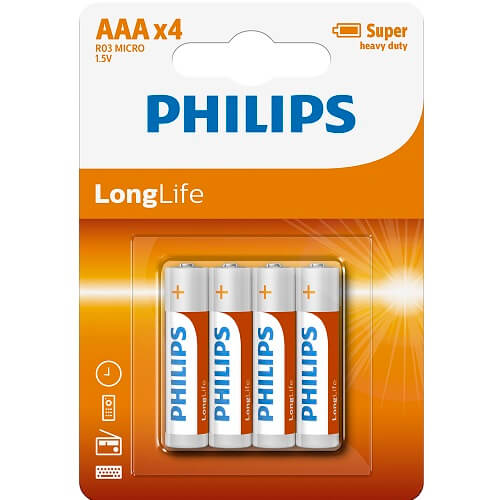
These are ordinary zinc carbon AAA batteries in the universal R03 size, ideal as a spare for remotes, torches and low-drain devices. They are a practical thing to keep in the drawer, though the zinc carbon chemistry means they are not the best choice for anything power-hungry, where alkaline or rechargeable cells last considerably longer.
There is nothing glamorous about a pack of batteries, but there is something genuinely useful about never being caught short. This four-pack of Philips AAA cells exists to solve one small, recurring annoyance: the moment a remote or a torch dies and you have nothing to swap in.
The thing worth weighing here is the chemistry. These are zinc carbon batteries, which is a different proposition to the alkaline or rechargeable cells many people reach for. That distinction decides exactly what they are good for, and it is the single most important thing to understand before you buy.
The good and the bad
What works
- Universal AAA (R03) size fits the vast majority of small devices
- Four cells per pack, enough to power a couple of devices at once
- Well suited to low-drain items like remotes, clocks and torches
- A trusted Philips name for a basic household consumable
- Ready as a drawer spare so flat batteries can be swapped immediately
What to be aware of
- Zinc carbon chemistry drains faster than alkaline in higher-power devices
- Not rechargeable, so they become waste once flat
- Modest run-time makes them a poor match for anything power-hungry
Buy it if
Anyone who wants an inexpensive spare set on hand for low-drain devices such as remote controls, wall clocks, torches and simple gadgets that only sip power.
Skip it if
If you are powering something demanding that runs motors or bright lights for long stretches, look instead to alkaline cells for longer life, or rechargeable NiMH AAAs if you want to avoid buying batteries repeatedly.
Chemistry and what it means for run-time
Zinc carbon is the oldest and most economical of the common battery chemistries. Its strength is steady, dependable output in devices that draw very little current, which is precisely why it suits remotes, clocks and occasional-use torches.
The trade-off is that in higher-drain devices, zinc carbon cells run flat noticeably faster than alkaline equivalents. If a device works its batteries hard, you will be swapping these out more often than you might like, so match the battery to the job.
Fit and everyday compatibility
AAA is the R03 standard, one of the two most common sizes in any home, so compatibility is rarely a question. These will slot into anything designed for AAA cells, from a TV remote to a wireless mouse to a compact personal device.
Fitting is simply a matter of following the plus and minus markings inside the compartment. The sensible habit is to replace a full set together rather than mixing old and new, since a tired cell drags down the fresh ones alongside it.
Care, storage and disposal
Kept somewhere cool and dry, an unopened pack will sit happily in the drawer until needed. If a device is going into storage, take the batteries out first, as any cell left in an idle device risks leaking over time.
Because these are single-use rather than rechargeable, they end up as waste once spent. Batteries should never go in the general bin; most supermarkets and recycling points have a collection box for them. Naturally, keep the pack well away from children.
How they compare with the alternatives
Against alkaline AAA cells, these zinc carbon batteries are the more economical choice up front but will not last as long in demanding devices, so alkaline often works out better value where power draw is high.
Against rechargeable NiMH cells, these avoid the initial outlay of a charger but cannot be reused. For anyone who gets through batteries steadily, a set of rechargeables pays for itself; for the occasional replacement in a low-drain gadget, a simple pack like this is the more sensible fit.
The bottom line
As a low-cost, keep-in-the-drawer spare for remotes, clocks and torches, this Philips four-pack does exactly the job it sets out to. Just be clear-eyed about the zinc carbon chemistry: for anything that works its batteries hard, alkaline or rechargeable cells will serve you far better.
Frequently asked questions
Will these work in a personal massager or similar device?
They will fit any device that takes AAA cells. That said, zinc carbon batteries are best in low-drain items, so in a device with a motor you may find they run down faster than alkaline or rechargeable cells.
What is the difference between zinc carbon and alkaline batteries?
Both are single-use AAA cells, but alkaline batteries generally hold more charge and last longer, particularly in higher-drain devices. Zinc carbon cells are more economical and perform well in low-power items such as remotes and clocks.
Are these rechargeable?
No. These are single-use zinc carbon batteries and should not be recharged. If you want reusable cells, look for rechargeable NiMH AAA batteries and a compatible charger.
How should I dispose of them once they are flat?
Do not put them in your general waste. Take them to a battery recycling point, which most supermarkets and household recycling centres provide.
Can I mix these with older batteries already in my device?
It is best not to. Always replace a full set together, as mixing old and new cells means the tired one drains the fresh ones and reduces overall performance.