 Xtoys
XtoysBound to Please Hemp Bondage Rope Review: A Traditional 10m Rope
Editor's opinion
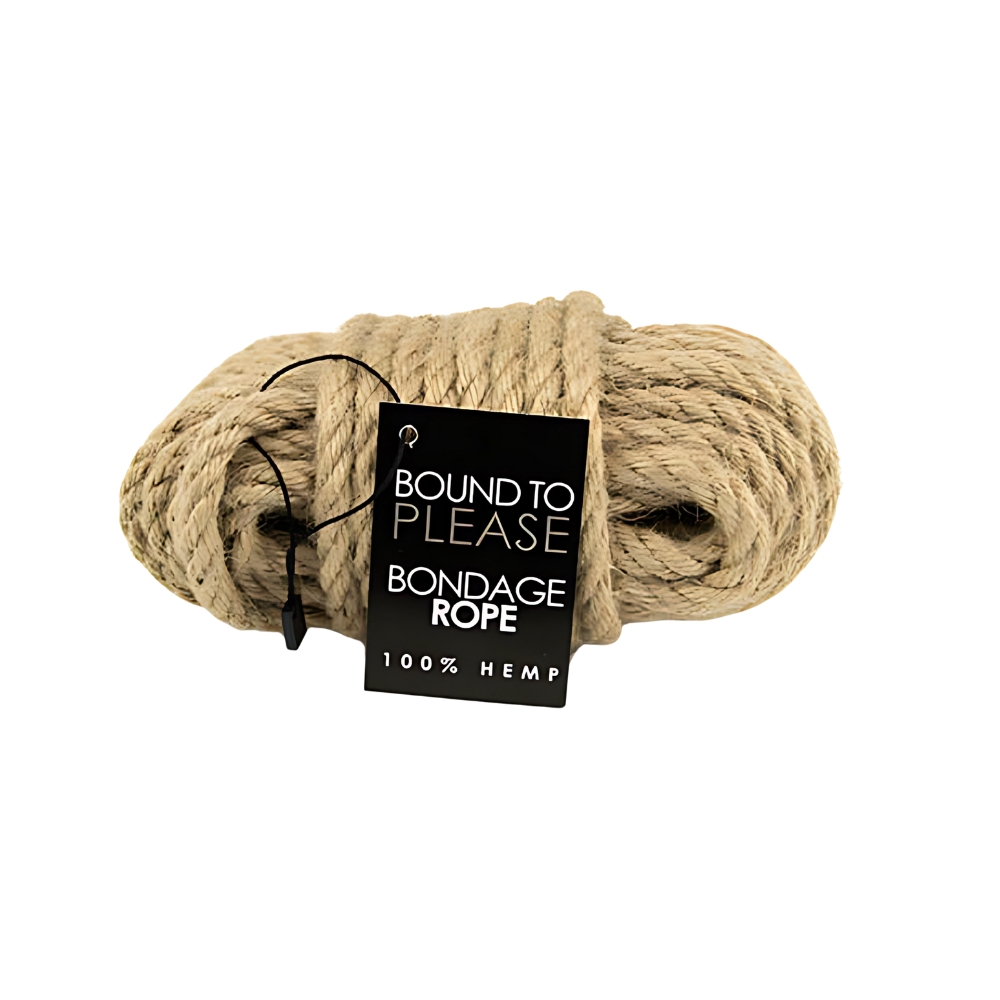
This is a traditional 10-metre hemp rope for people who want the honest texture and reliable knot-hold that natural fibre gives, rather than a smooth synthetic. It suits both careful beginners and the more experienced, but hemp needs proper storage and a bit of respect, and anyone new to rope play should learn safe technique before tying anything snug.
Rope is the most open-ended item in the restraint category. Unlike a set of cuffs, it does one thing only if you know what to do with it, and everything if you take the time to learn. This 10-metre hemp length from Bound to Please is pitched squarely at couples wanting to explore tying and binding at home, and the choice of material tells you a great deal about the experience on offer.
Hemp is the classic rope-play fibre for good reason, but it is not the softest or the most convenient option out there. What a buyer is really weighing here is grip and tradition against a little more upkeep and a firmer hand-feel than a nylon or cotton rope would give.
The good and the bad
What works
- Natural hemp texture grips well and holds a knot without slipping
- Generous 10 metres, enough for simple binds or fuller knotwork
- No batteries or power, so it is always ready
- Strong, durable fibre that suits repeated use
- A traditional choice preferred by many rope-play enthusiasts
What to be aware of
- Natural fibre needs dry storage and careful handling to last
- Hemp is firmer and coarser than smooth synthetic ropes
- Rope play has a genuine learning curve and safety demands
- Not the softest option for very sensitive skin
Buy it if
Couples who want an authentic, traditional rope-play experience and are willing to learn safe technique, plus anyone who prefers a natural fibre that grips over a slick synthetic finish.
Skip it if
Those wanting a soft, low-maintenance restraint with no learning curve, or anyone with very sensitive skin. A padded cuff set or a smooth cotton rope would be gentler and more forgiving.
Design and materials
The construction here is straightforward: 100% hemp, ten metres of it. Hemp is a stiffer, more textured fibre than nylon or cotton, and that texture is precisely the point. The slight coarseness is what lets a knot bite and stay put rather than sliding loose under tension, which is why hemp has remained a favourite for rope work despite softer alternatives existing.
The trade-off is hand-feel. A natural fibre rope will feel firmer and less silky than a synthetic one, and against sensitive skin it can leave marks more readily. That is not a fault so much as the character of the material, but it is worth knowing before you buy if you were expecting something plush.
Length and how it is meant to be used
At ten metres, there is room to do more than a single wrist tie. A basic ankle or wrist bind uses only a fraction of this, so the length gives you scope to progress into fuller body ties as your confidence grows without running short mid-knot.
That said, rope is not a plug-and-play product. Restraint play carries real safety considerations around circulation, nerve pressure and never leaving a tied person unattended. Anyone starting out should spend time with reputable guides on safe ties before binding anything with pressure. The rope gives you the raw material; the responsibility for using it well sits with the user.
Care and cleaning
Natural fibre needs a little more attention than synthetic rope. Keep it dry, store it loosely coiled rather than knotted or crammed away, and check it over for weak spots before each use. Moisture is the enemy of hemp, encouraging it to weaken and lose its reliable grip over time.
Untie carefully after use rather than yanking knots loose, which prolongs the life of the fibres. With sensible storage a hemp rope will serve for a long time, but it will not tolerate neglect the way a wipe-clean synthetic might.
How it compares
Against synthetic ropes such as nylon, hemp wins on grip and knot security and loses on softness and easy care. Nylon is smoother and washes readily but can slip and can feel less authentic to enthusiasts. Cotton rope sits in between: softer than hemp, kinder to skin, but with less bite.
Compared with buckle cuffs, rope is far more versatile and better value for what it enables, but it demands skill and time that cuffs do not. If you want the craft of rope play, hemp is a genuine, traditional starting point. If you simply want to restrain a partner quickly, cuffs are the easier answer.
The bottom line
As a natural hemp rope, this is an honest, capable choice for anyone drawn to the craft of tying rather than the convenience of cuffs. Buy it if you value grip, tradition and versatility and are prepared to learn safe technique and store the rope properly; look elsewhere if you want something soft, quick and maintenance-free.
Frequently asked questions
Is hemp rope suitable for complete beginners?
It can be, as its grip makes knots reliable, but rope play itself has a learning curve. Beginners should study safe tying methods, avoid pressure over joints and nerves, and never leave a bound person unattended before attempting anything snug.
How does hemp compare to nylon or cotton rope?
Hemp grips better and holds a knot more securely thanks to its natural texture, but it is firmer and coarser against the skin. Nylon is smoother and easier to clean but can slip; cotton is softer but has less bite.
How should I store and care for it?
Keep it dry and coil it loosely rather than knotting or cramming it away. Moisture weakens natural fibres, so avoid damp storage, and check the rope for wear before each use to keep it dependable.
Is ten metres enough rope?
For simple wrist or ankle binds it is more than enough, and it leaves room to build up to fuller body ties as your skills develop. Very elaborate multi-limb work may eventually call for a second length, but one rope is a sound starting point.
Will hemp rope be harsh on the skin?
Hemp is firmer than synthetic or cotton rope and can leave marks more readily, so it is not the gentlest option for very sensitive skin. Correct technique and avoiding excessive tension make a considerable difference to comfort.